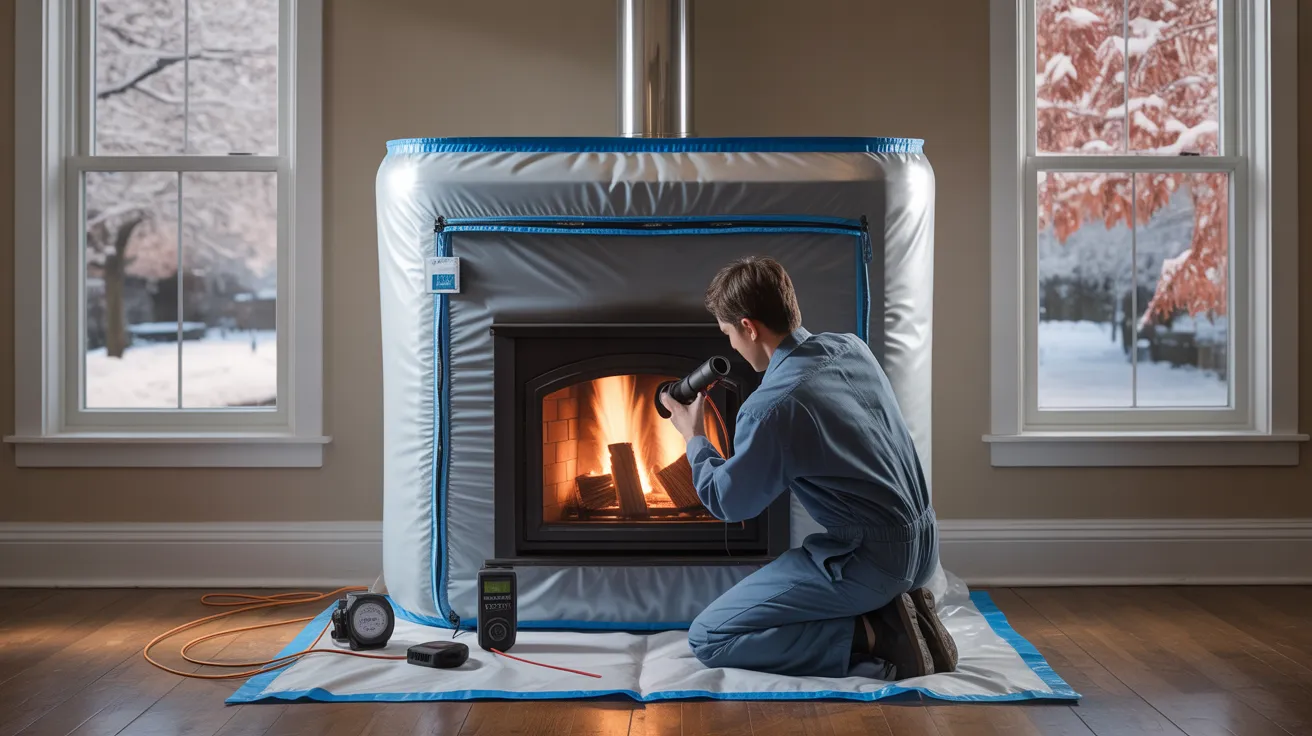
Get a certified Wisconsin chimney sweep and fireplace repair experts that meets NFPA 211, IRC, and state amendments. Our service includes HEPA-contained cleaning, Level I/II inspections, safety and ventilation testing under worst-case depressurization, and photo/citation reports. We specialize in tuckpointing, crowns, waterproofing, liners, safety caps and arrestors, and factory-built system compliance. We install EPA-certified wood, pellet, and gas units with proper clearances, venting, and permits. Scheduled maintenance packages guarantee system reliability-and see below for our detailed approach.
Essential Points
- We specialize in professional NFPA 211-standard chimney inspections, HEPA-filtered cleanings, and professional sweep services customized to meet Wisconsin regulations and periodic maintenance needs.
- Expert draft and efficiency evaluation with detailed draft analysis, CO level verification under worst-case depressurization conditions, and airflow balancing procedures for optimal combustion safety.
- We specialize in masonry maintenance, including joint restoration, crown repair and restoration, proper flashing solutions, and comprehensive waterproofing, all with professional documentation and assessments and precise mortar matching.
- Professional installation of chimney liners, caps, and spark arrestors following UL/NFPA standards, featuring premium stainless complete-protection caps and approved factory-built components.
- We specialize in fireplace and stove installations and conversions, including required paperwork and detailed documentation sets containing photographic evidence, building code specifications, and authenticated venting and pressure test documentation.
Comprehensive Chimney Cleaning and Safety Inspections
Schedule regular comprehensive chimney maintenance and an industry-standard safety assessment to lower fire risk and guarantee proper draft. You'll get systematic creosote elimination using specialized brushes and rotary rods appropriate to chimney specifications and liner type. We track soot classification, glaze presence, and draft readings, then remove any flue impediments, including animal debris or masonry debris, using controlled HEPA methods to avoid indoor contamination. We check cap, crown, and flashing joints without addressing structural rebuilds. Instrumented carbon monoxide testing confirms appliance venting under worst-case depressurization. We inspect connectors, thimble seals, and terminations for clearance-to-combustibles compliance. You'll receive burning technique recommendations-fuel moisture targets, load configuration, and air control settings-to prevent creosote formation. Final reports include documentation, NFPA 211 checklists, and improvement suggestions.
Brick and Stone Repairs, Tuckpointing, and Restoration
Address damaged mortar, deteriorating bricks, and worn crown caps promptly to prevent water infiltration and maintain structural integrity. This prevents structural damage, chimney shifting, and dangerous gas leaks. Our team assesses masonry per NFPA 211 and local Wisconsin codes, documenting structural shifts, mineral deposits, and mortar deterioration.
For mortar restoration work, we expertly coordinate sand gradation, color, and compressive strength, then make precise depth cuts in joints and apply matching Type N or S mortar, shaping to create dense, shed-ready profiles. We replace damaged or unstable brick with like units, maintaining complete, properly bonded joints. If crowns are cracked, we strip back to solid masonry and install a reinforced crown with proper pitch with appropriate expansion space around the flue.
Following heat-related damage to the chimney, we coordinate vent relining after masonry stabilization.
Essential Chimney Safety Components
You'll assess chimney liners for proper dimensions, materials, and UL certification to improve draft, contain heat, and comply with NFPA 211 and manufacturer requirements. You'll pick durable caps-preferably stainless or copper with spark screens and bird/ember screens-properly secured to resist uplift and prevent moisture infiltration. You'll apply thorough waterproofing by treating crowns, fixing flashing, and using vapor-permeable masonry sealants to block infiltration without trapping moisture.
Why Chimney Liners Matter
A properly installed chimney liner is one of the most effective upgrades for improving both safety and performance. You effectively protect combustible materials from high flue temperatures, contain harmful byproducts, and ensure code-compliant exhaust venting. Proper liner sizing and insulation improve draft consistency, limit condensation, and decrease creosote accumulation-critical elements for preventing fires and maximizing liner durability. You'll also experience enhanced energy efficiency thanks to better temperature maintenance and more efficient burning.
A liner protects masonry from corrosive condensate and freeze-thaw deterioration, maintaining structural soundness. It's crucial when changing fuel appliances, correcting damaged tile flues, or complying with NFPA 211 and manufacturer listings. Stainless steel and listed liners resist thermal cycling and chimney fires more effectively than unlined systems. With proper installation and regular inspections, you'll improve efficiency, lower repair probability, and safeguard indoor air quality.
Finding Quality-Made Caps
After measuring and insulating the liner to maintain adequate ventilation and building code requirements, safeguard the top of the system with a durable, listed chimney cap. Opt for stainless toppers to resist corrosion from Wisconsin freeze-thaw cycles, acidic condensate, and creosote byproducts. Verify UL listing, spark-arrestor here capabilities, and proper fit with your fuel type and liner termination. Select a full-coverage cap that diverts precipitation, secures to the flue or crown securely, and keeps required free area to eliminate draft restriction.
Implement custom mesh measurements to balance spark containment and airflow: 3/4-inch for ember containment as required by regulations, bigger mesh only with manufacturer approval. Add bird and wildlife protection. Opt for removable screens for service access. Specify stainless fasteners and sealed seams. Ensure bonding/grounding if required by code or lightning concerns.
Professional Waterproofing Solutions
Beginning at the crown and extending to the firebox, proper waterproofing starts with a waterproof barrier preventing water infiltration and vapor entry while ensuring proper ventilation and building codes. First, ensure the chimney liner is intact, certified, and correctly dimensioned; repair compromised flues to meet NFPA 211 and manufacturer specifications. Fit a comprehensive cap featuring mesh and a storm collar to deflect rainwater without limiting ventilation.
Seal the crown with flexible silicone protective coatings that bridge cracks and adapt to freeze-thaw cycles. For masonry, use breathable sealants that block bulk water yet allow vapor diffusion, preventing spalling and efflorescence. Ensure proper counter-flashing and sealing at step joints. Repair mortar joints with Type S or N, then compress firmly. Perform annual evaluations and refresh protective layers according to manufacturer specifications.
Professional Fireplace and Stove Services
Upgrade your heating system with systems that conform to current codes, improve efficiency, and prioritize safety. You'll receive systems properly matched to your room load, with setbacks, chimney height, and connector diameters established per NFPA 211 and Wisconsin Uniform Dwelling Code. We evaluate combustibles, floor protection, and seismic requirements, then install listed appliances according to manufacturer guidelines.
Opt for EPA-certified wood, pellet, or gas units with sealed combustion. Our team incorporates high-grade stainless liners, thermal thimbles, and balanced exhaust systems. Ventilation improvements incorporate direct outdoor air supply, make-up air strategies, and mechanical ventilation coordination to preserve proper pressure relationships. Electrical and gas runs are configured with shutoffs, condensate traps, and proper GFCI/AFCI protection. For hearth design, we recommend fire-resistant surrounds, code-rated mantels, and custom panels that enhance performance while ensuring safe clearances.
Resolving Efficiency, Draft, and Smoke Problems
After your appliance has been correctly sized and installed to specifications, performance depends largely on stable draft, clean combustion, and correct pressure balance. We begin by checking proper flue sizing, liner continuity, and termination height. Following that, we assess draft pressure, flue temps, and O2 levels to ensure efficient combustion. When smoke enters the room, we execute draft solutions: sealing leaks at the thimble and cleanout, adjusting offsets, and enhancing chimney insulation to increase stack temperature.
Inside the home, we perform airflow optimization. We test building pressure with active exhaust fans, confirm adequate makeup air, and install a direct outdoor air kit as needed. We fine-tune air damper alignment, weatherstripping, and door closure pressure. As a final step, we optimize fuel moisture content, ash layer depth, and baffle positioning to stabilize the burning process and reduce creosote buildup.
Regional Requirements, Certifications, and Maintenance Schedules
You should verify that your fireplace and exhaust systems conform to current Wisconsin Fireplace Codes, including specifications for clearances, liner specs, and chimney height specifications. Partner with technicians with Certified Sweep credentials to verify inspections, cleanings, and repairs adhere to recognized standards and standardized procedures. We'll implement a regular maintenance routine that arranges code-compliant inspections in advance of heating season and follow-up assessments to spot wear, creosote, and safety hazards early.
Wisconsin Fireplace Standards
Even though fireplace design is significant, Wisconsin's safety and building regulations take precedence. You need to ensure flues are sized according to appliance specifications, maintain required clearances from combustible materials, and install proper noncombustible hearth extensions according to NFPA 211 and Wisconsin Uniform Dwelling Code. Stone chimneys need lined flues, certified tops, and properly sealed endings. Factory-built systems must use certified parts and proper manufacturer-approved mounting.
Before starting work, obtain required local permits and consider permit approval periods that vary by jurisdiction. Document thoroughly of building code adherence with detailed cut sheets, photo evidence, and signed pressure and venting tests. Converting to gas logs or inserts need proper shutoff valves, verification of venting, and carbon monoxide detectors following SPS 321.42. Solid-fuel installations require spark arrestors and convenient cleanout access. Schedule regular preseason inspections, sweep when required, and document all findings to facilitate easy insurance, resale, and occupancy approvals.
Verified Sweep Solutions
More than just appearances, a certified sweep program links your fireplace upkeep to local code requirements, industry qualifications, and a structured maintenance protocol. You receive a certified chimney expert who follows NFPA 211, IRC, and Wisconsin amendments at every visit. Their thorough sweep training covers combustion air, clearances to combustibles, venting geometry, and fuel-specific hazards, ensuring no issues are overlooked.
We arrange periodic maintenance checks including: initial Level I system check, mid-season draft and CO testing, and Level II inspection after the season if needed. We provide thorough visual documentation, relevant code citations, and a prioritized remediation plan. Our certified specialists thoroughly inspect your chimney system including caps, liners, dampers, hearth extensions, and smoke chamber alignment; they perform draft measurements and CO level verification at your appliance. These records facilitates permit applications, insurance requirements, and real estate documentation, ensuring your system remains safe, efficient, and code-compliant throughout the year.
Questions and Answers
Are Emergency Chimney Services Available Outside Regular Hours?
Absolutely, we provide urgent chimney assistance at night, on weekends, and during holidays. We offer 24/7 availability with emergency specialists certified according to NFPA 211 standards. We respond to chimney fires, smoke issues, structural problems, and carbon monoxide dangers. Rely on immediate assistance, virtual evaluation, and emergency safety measures. We maintain detailed records, perform code-compliant repairs or stabilize the chimney until complete repairs can be completed. You'll get comprehensive safety recommendations and subsequent appointment scheduling.
What Areas of Wisconsin Do You Service, and Are There Travel Fees?
We provide service to all major Wisconsin regions including Milwaukee, Southern suburbs, Fox Valley, Door County, Northern lakes, and Western Wisconsin. Worried about service availability? We provide NFPA 211-compliant work statewide with documented inspections and draft verification. Travel fees apply when traveling beyond a 25-mile radius from our hubs; we use simple zone-based pricing, disclosed in advance, waived with repair services. We offer optimized service routes, thorough access assessments, and full permit handling for code compliance.
Do You Offer Itemized Estimates and Payment Plans
You'll receive itemized estimates outlining every aspect from materials and labor to safety requirements and code compliance. Every line item corresponds to local regulations and NFPA 211 requirements to ensure full compliance and scope clarity. We provide various payment plans with deposits, progress payments, and final inspection holdbacks. You'll receive separate documentation for any changes, permits, and required clearances. All work details require your written approval before we begin to ensure complete transparency and safety.
Are Your Service Technicians Fully Insured and Background-Checked?
Yes - our technicians are fully vetted and insured. We implement thorough background verification processes before hiring and re-verify periodically. Our team is protected with complete liability coverage and workers' compensation insurance for on-site work. We keep detailed records of certifications, track training, and adhere to NFPA and local code requirements. We provide detailed service documentation, safety assessments, and insurance verification upon request, guaranteeing safe, responsible, and regulation-compliant service throughout the entire service process.
Do You Work With Home Insurance When Filing Claims?
Indeed. You are provided with full insurance assistance and claim guidance from initial inspection through final repair. We document damage with detailed reports, detailed images, and NFPA 211 references, then collaborate with your adjuster to establish scope, cost analysis, and safety requirements. You sign off on all work confirmations. We schedule emergency mitigation, offer permitting support, and preserve chain-of-custody for materials. You get transparent progress reports, compliant workmanship, and a final closeout package for your insurance company's records.
Final Thoughts
You opt for clean and clear flues, not hidden creosote; solid masonry, not failing joints; properly fitted liners and caps, not water intrusion; professional installations, not guesswork; clear drafts, not smoky rooms. You adhere to NFPA 211, IRC, and local codes. You set up seasonal inspections, report findings, and fix defects. You check clearances, test draft, and ensure CO safety. You safeguard your home, preserve efficiency, and satisfy inspection-securely, legally, consistently-today, this season, year after year.
Comments on “ Professional Chimney Services WI”